
 Guest Contributor
In 2019, The Nature Conservancy published a study concluding that global nuclear generation would likely need to triple by 2050 to meet clean energy goals—demonstrating that experts knew a substantial increase in nuclear power would be necessary even before the emergence of artificial intelligence and its associated energy demand.
The simple reality was that renewable energy resources like wind and solar alone could not provide the reliable power needed to sustain modern economies, even as load growth was flattening or declining in some areas.
Yet at the time, investments in nuclear energy had stagnated. Without growth in demand, there was little incentive to finance new technologies, and few could predict where the next wave of demand would come from—causing some to shift the debate toward reducing consumption rather than improving the technologies needed for modern society.
Today, however, we know exactly where the demand is coming from. As new data centers appear across the country, electricity demand is surging for the first time in decades—creating one of the most rapid increases in U.S. history. A single hyperscale data center, for example, can require 100 megawatts (MW) of power or more, leading experts to predict double-digit increases in demand over the next decade and requiring more power plants to be built faster than many utilities can deliver.
Critics argue this surge in demand will undermine climate goals, but the evidence suggests the opposite. While some facilities are relying on natural gas initially to meet short-term demand, the long-term trajectory is for them to be powered by clean energy.
In fact, the rapid expansion of AI infrastructure may become the greatest catalyst for achieving global clean energy goals since the dawn of the nuclear age.
As demand soars, large technology companies such as Google, Microsoft, Amazon, and Meta are turning to nuclear to deliver the safe, clean, and around-the-clock power they need to operate their data centers at scale—helping not only restart legacy plants like Three Mile Island, but also finance a new generation of advanced nuclear reactors called small modular reactors (SMRs), which can provide the clean, reliable, and abundant electricity needed to meet global clean energy goals.
Microsoft has signed an agreement to purchase electricity from Helion Energy’s Orion fusion system (backed by Peter Thiel and OpenAI’s Sam Altman), which uses pulsed magnetic fusion and direct electricity conversion to generate power without water, to power its data centers in Washington State beginning in 2028.
Google has partnered with Kairos Power to purchase electricity from the company’s fluoride-salt-cooled high-temperature reactors to supply carbon-free power for its Tennessee data centers beginning in the early 2030s.
Meta has entered into an agreement to purchase 2.8 gigawatts of carbon-free baseload power from eight Natrium reactors developed by TerraPower (founded by Bill Gates and backed by a $650 million investment that included Nvidia) to power its data center clusters in Wyoming beginning in 2032.
Amazon has invested $700 million in X-energy to deploy 960 megawatts of nuclear capacity from the company’s Xe-100 high-temperature gas-cooled reactors to support its data centers in Washington State.
Switch has partnered with Oklo (whose investors include OpenAI CEO Sam Altman) to deploy up to 12 gigawatts of Aurora microreactors at future data center campuses across Nevada and Texas.
One cannot deny the role today’s AI developers are playing in advancing the most sophisticated clean energy technology we have ever developed—flowing capital not only into their data centers, but also into the exact nuclear energy technologies needed to achieve deep decarbonization. Without this investment, achieving global clean energy goals would likely be impossible.
As AI infrastructure expands, Arizona officials are taking steps to protect ratepayers. The Arizona Corporation Commission, for example, is requiring data centers to pay their fair share of infrastructure costs, while utilities like APS and SRP are requiring them to front the capital necessary for generation and grid upgrades. These steps prevent cost shifts and ensure speculative projects do not leave residential customers on the hook for stranded costs.
With these protections in place, Arizona is poised to lead in the co-location of SMRs and data centers. The state already ranks second in the nation, after Virginia, for data center development, making it one of the fastest-growing markets in America. With the recent launch of the Arizona Chamber of Commerce’s “AZ AI” Leadership Initiative and local investment in nuclear startups like NuCube Energy by Arizona Nuclear Ventures, Arizona could be the ideal location for the next major AI-nuclear partnership.
The reality is increasingly clear: Artificial intelligence may be the clean energy catalyst we never expected. Without the surge in electricity demand from hyperscale data centers, the nuclear renaissance now underway likely would never have occurred, because the massive investment required to fund it would never have materialized. In that sense, demand from artificial intelligence may be doing more to advance clean energy progress than any overtly environmental policy that has come before it.
If we want energy technologies capable of delivering deep decarbonization without sacrificing our modern way of life, we must support the data center infrastructure that makes nuclear investment possible—and welcome these facilities into our states and communities with open arms. If you support clean energy, you must support AI data centers.
Michael Carbone is a Republican member of the Arizona House of Representatives representing Legislative District 25 and serves as House Majority Leader. Follow him on X at @MichaelCarbone.
Justin Wilmeth is a Republican member of the Arizona House of Representatives serving Legislative District 2 in North Phoenix and is Chairman of the House Committee on Artificial Intelligence & Innovation. Follow him on X at @JustinWilmethAZ.
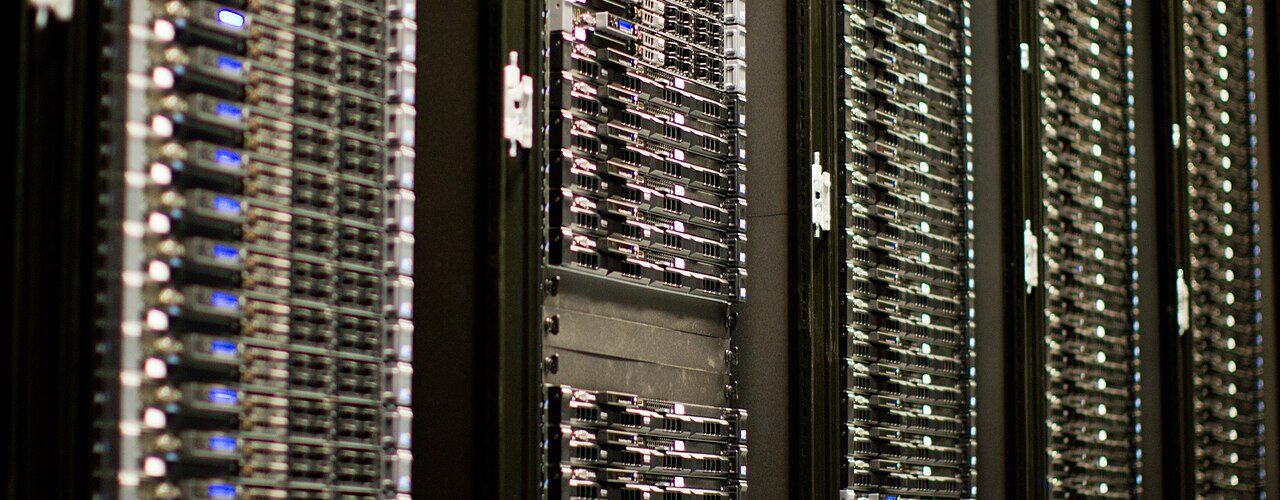
Image via Victor Grigas, CC BY-SA 3.0 https://creativecommons.org/licenses/by-sa/3.0, via Wikimedia Commons





Add comment